
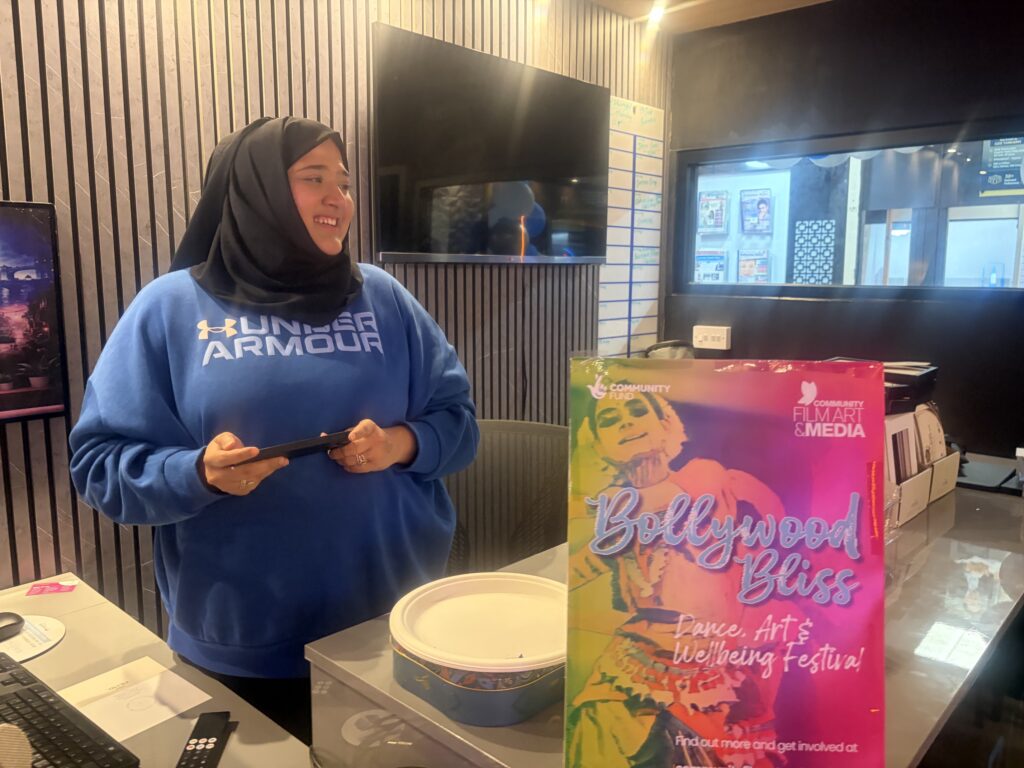
What if one of the most powerful tools for improving wellbeing was not a service, a programme, or an intervention?
What if it was a song?
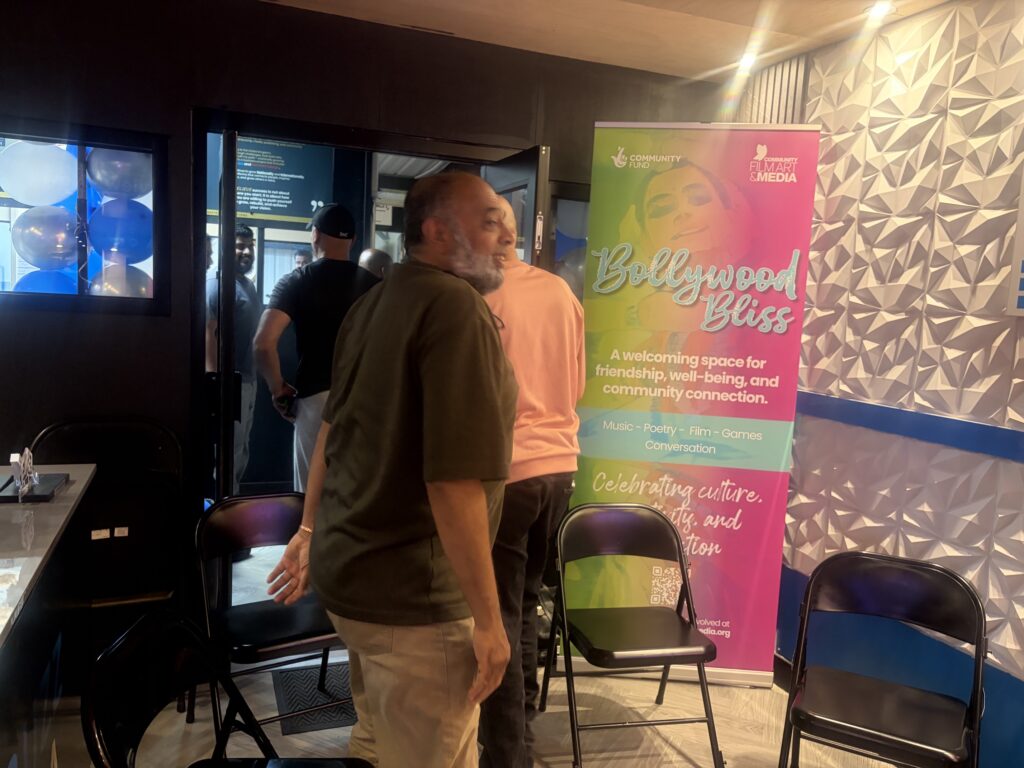
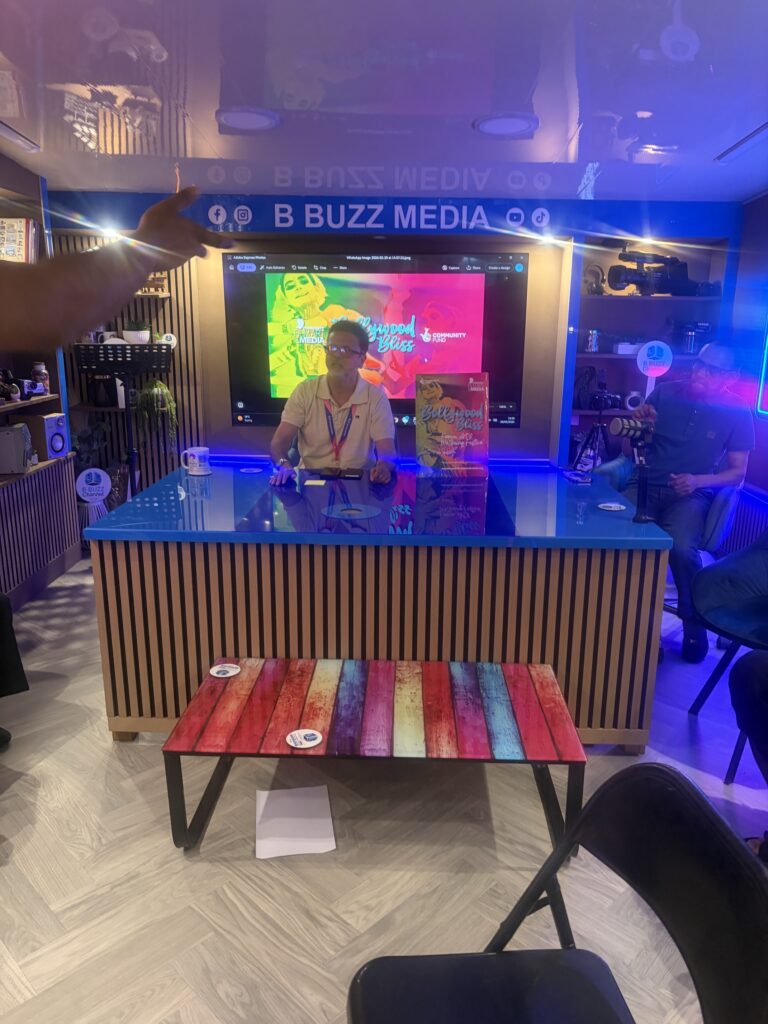
At our recent Bollywood Bliss session, the room was filled with laughter, music, memories, and the unmistakable energy of Antakshari, a much-loved South Asian game that has entertained families and communities for generations. For those unfamiliar with it, Antakshari is deceptively simple. One team sings a Bollywood song and the opposing team must respond with another song beginning with the final letter of the previous one. What starts as a light-hearted challenge quickly becomes a celebration of memory, teamwork, and culture as participants search their minds for lyrics from films and eras that have shaped their lives.
Hosted brilliantly by Mr Imtiaz Patel Bhai, the evening was full of warmth and humour. The competition was spirited, the food was wonderful, and the room was alive with the kind of energy that only comes when people are genuinely enjoying one another’s company. Yet to describe Bollywood Bliss as simply a cultural evening would miss the point entirely.
Behind the music, the laughter, and the friendly rivalry sits a much bigger purpose. Bollywood Bliss was created to bring people together, strengthen community ties, and create opportunities for connection in a world where loneliness and isolation are becoming increasingly common experiences.

Across the UK, loneliness is now recognised as a significant public health challenge. Research has shown that prolonged social isolation can have a profound impact on both mental and physical wellbeing, contributing to increased levels of anxiety, depression, stress, and a reduced sense of life satisfaction. While these challenges affect people from all walks of life, many organisations working within the wellbeing sector have highlighted that men are often less likely to seek support, discuss emotional difficulties, or engage with services that are explicitly framed around mental health.
Within South Asian communities, those challenges can be further complicated by cultural expectations around strength, resilience, responsibility, and success. Many men carry enormous responsibilities as providers, fathers, sons, business owners, or community figures, yet there are often few spaces where they can step away from those expectations and simply enjoy being part of a community without judgement, pressure, or obligation.
This is one of the reasons why initiatives such as Bollywood Bliss matter so deeply.
People do not attend because they are seeking support. They attend because they enjoy music, food, culture, and companionship. However, what happens in these spaces often delivers many of the outcomes that wellbeing practitioners, community workers, and public health professionals spend years trying to encourage. Conversations emerge naturally. Friendships develop organically. Shared experiences create trust. People who may never have spoken to one another discover common ground through a favourite song, a forgotten film, or a cherished memory from childhood.
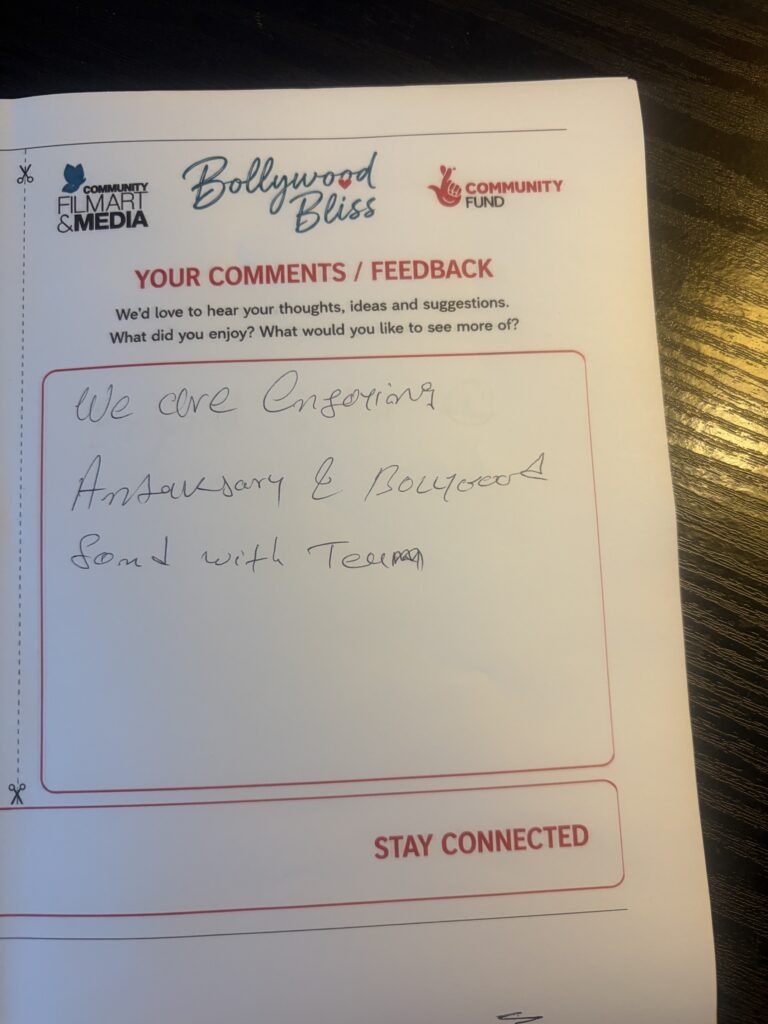
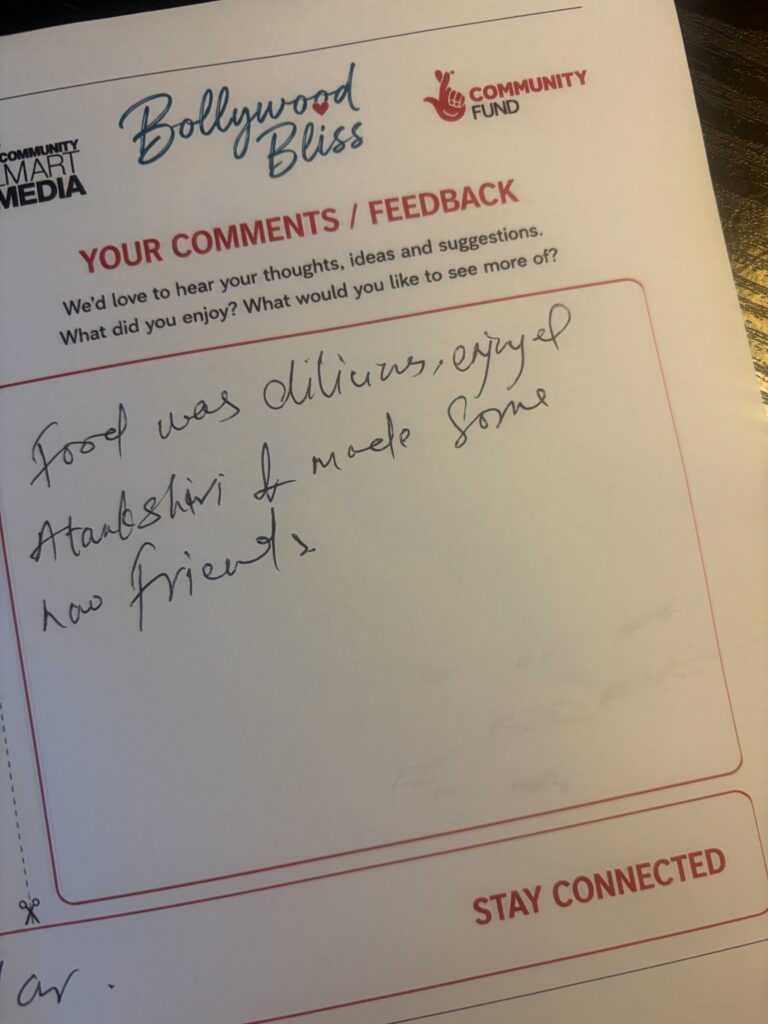
Music itself plays an important role in this process. Research has long demonstrated the connection between music, memory, emotion, and wellbeing. A familiar melody can transport us back decades, reminding us of family celebrations, friendships, weddings, festivals, and moments of happiness that remain embedded within us. Those memories do not simply belong to individuals; they become shared cultural experiences that strengthen collective identity and create a sense of belonging.
Perhaps that is why evenings like Bollywood Bliss feel so powerful. They offer something increasingly rare in modern life: genuine human connection without expectation. Nobody is measured by their achievements, their job title, their social status, or their background. Instead, people are invited to participate, laugh, contribute, and enjoy themselves in a way that feels natural and inclusive.
At a time when public discourse often focuses on division, uncertainty, and the things that separate us, community initiatives such as this remind us of the things that bring us together. They demonstrate that wellbeing is not only built through formal services and interventions but also through relationships, cultural identity, shared experiences, and opportunities to spend meaningful time with others.
The impact of these gatherings is not always easy to measure in statistics or reports. It can be found in the person who leaves having made a new friend, in the participant who spends an evening laughing after a difficult week, in the conversations that continue long after the music has ended, and in the sense of belonging that grows each time people come together.
Bollywood Bliss is, therefore, about far more than Bollywood.
It is about creating spaces where culture becomes a bridge, where music becomes a catalyst for connection, and where community becomes a source of strength. It is a reminder that healthier communities are often built through the simplest of experiences: sharing food, sharing stories, sharing laughter, and sharing moments that allow people to feel seen, valued, and connected.
In a world that can often feel fast, fragmented, and overwhelming, perhaps there is something profoundly important about gathering in a room with others, singing songs everyone knows, and remembering that joy, friendship, and belonging are not luxuries. They are essential ingredients of a healthier, happier society.